Key Takeaways:
- In most cases, your own homeowner’s insurance covers damage when a neighbor’s tree falls on your property.
- A neighbor is only legally liable if the tree was visibly dead, diseased, or they were previously warned about it.
- Alabama follows the same general negligence principles as most states when determining tree fall liability.
- Documenting damage thoroughly and notifying your insurance company quickly are the most important first steps.
- Preventive tree maintenance is the single most effective way to avoid disputes and costly damage entirely.
It happens more often than most Birmingham Alabama homeowners expect. A storm rolls through overnight, and by morning there is a neighbor’s tree lying across your fence, your roof, or your car sitting in the driveway. The damage is real, the cost is significant, and the first question almost everyone asks is the same: who is responsible for paying for this?
The answer is not always as simple as pointing to whose yard the tree came from. Alabama property law, homeowner’s insurance policies, and the specific condition of the tree before it fell all play a role in determining who bears financial responsibility. Getting this wrong, or assuming the wrong person will pay, can leave homeowners stuck with repair bills they were not expecting.
Understanding how liability works in these situations, what your insurance actually covers, and what steps to take immediately after a tree falls can save Birmingham homeowners significant time, money, and stress.
The General Rule: Your Insurance Covers Your Property
The starting point that surprises most people is this: when a neighbor’s tree falls on your property, your own homeowner’s insurance policy is typically responsible for covering the damage, not your neighbor’s. This holds true even when the tree clearly originated in the yard next door. Under standard homeowner’s insurance policies, damage to your structure, fence, or other covered property is handled by your own insurer regardless of where the tree came from. Your neighbor’s insurance covers damage to their property, and your insurance covers damage to yours.
This means filing a claim with your own insurance company is almost always the correct first move. Your deductible will apply, and the claim will be processed under your dwelling or other structures coverage depending on what was damaged.
a.) When Is a Neighbor Actually Liable?
While your own insurance handles most situations, there are circumstances where your neighbor can be held legally liable for damage their tree caused to your property. Establishing that liability, however, requires meeting a specific legal standard.
In Alabama, as in most states, a neighbor becomes liable for tree damage when negligence can be proven. This generally means demonstrating one of the following conditions existed before the tree fell.
Situations Where Neighbor Liability May Apply
- The tree was visibly dead or severely diseased before it fell
- You previously notified the neighbor in writing about the tree’s dangerous condition
- The neighbor ignored a formal warning or request to address the hazard
- A prior inspection had identified the tree as structurally compromised
- The tree had obvious visible defects that any reasonable person would recognize as dangerous
If none of these conditions apply and the tree appeared healthy before a storm brought it down, your neighbor is generally not considered negligent. Trees fall during severe weather, and Alabama courts have consistently treated storm damage from healthy trees as an act of nature rather than a failure of the tree owner’s duty of care.
The key phrase is prior knowledge. Without evidence that your neighbor knew or reasonably should have known the tree posed a danger, establishing liability becomes very difficult.
b.) The Importance of Written Notice
If you have a neighbor’s tree that concerns you, one of the most important protective steps you can take is documenting your concern in writing before anything happens. A formal written notice, delivered by certified mail or hand-delivered with a dated receipt, creates a legal record showing that the neighbor was informed of the potential hazard. This documentation serves two purposes.
- First, it gives the neighbor a reasonable opportunity to address the problem.
- Second, if the tree later falls and causes damage, that written notice becomes critical evidence establishing that the neighbor had prior knowledge of the risk and chose not to act.
Without that paper trail, even a tree that looked visibly unhealthy before it fell may not result in a successful liability claim against your neighbor. Courts look for documented notice, not informal conversations or verbal complaints that cannot be verified.
c.) What Homeowner’s Insurance Typically Covers
Understanding your own policy before a tree falls is far better than discovering its limitations after damage has already occurred. Standard homeowner’s insurance policies in Alabama generally cover the following tree-related damage scenarios.
What Is Typically Covered
- Structural damage to your home caused by a fallen tree
- Damage to attached structures like garages or covered porches
- Fences, sheds, and other structures listed under your policy
- Debris removal up to a specified dollar limit
- Temporary repairs to prevent further weather damage
What Is Often Not Covered
- Vehicles damaged by a fallen tree (covered under comprehensive auto insurance instead)
- Tree removal when the tree fell in the yard without hitting a structure
- Damage caused by a tree the homeowner knew was dead or diseased and failed to remove
- Flooding or rising water that accompanied storm damage
Reading your declarations page and understanding your deductible, coverage limits, and any exclusions specific to your policy before a storm season arrives in Birmingham is worth the time investment.
d.) Steps to Take Immediately After a Tree Falls
How you respond in the hours immediately following a tree fall significantly affects how smoothly the insurance and liability process unfolds afterward. Acting quickly and documenting everything creates the strongest possible foundation for a claim.
Immediate Steps After a Tree Fall
- Ensure everyone on the property is safe and away from the damaged area
- Call emergency services if the tree has caused structural collapse or utility damage
- Photograph and video the scene extensively before anything is moved or cleaned up
- Document the tree’s point of origin, the direction it fell, and all visible damage
- Notify your homeowner’s insurance company as soon as possible
- Contact your neighbor to inform them of the situation calmly and factually
- Save all repair estimates, contractor invoices, and related expenses
- Avoid making permanent repairs until your insurance adjuster has inspected the damage
Taking temporary protective measures such as covering a damaged roof section with a tarp is appropriate and generally required by insurance policies to prevent further damage. Permanent repairs before the adjuster’s inspection can complicate the claims process.
e.) Why Preventive Tree Care Is the Best Protection
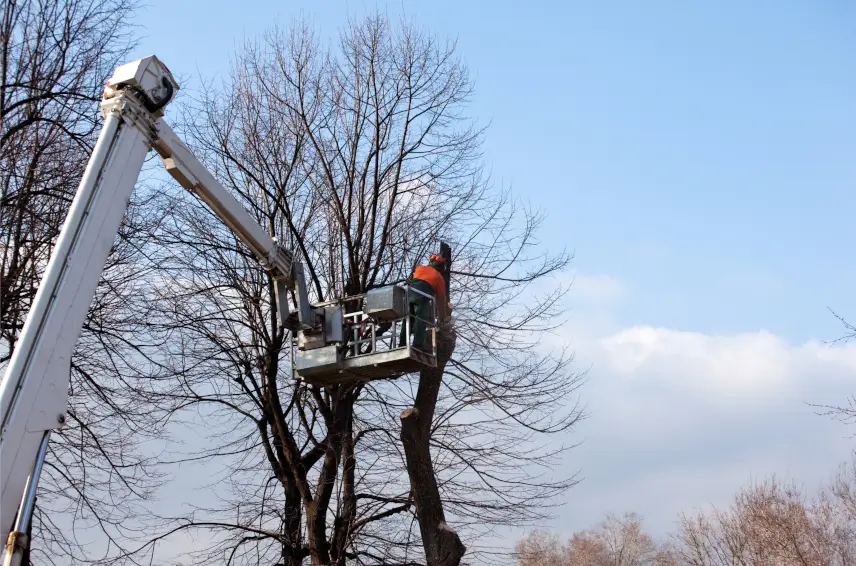
The most effective way to avoid the financial and legal complications of fallen tree disputes is preventing the situation from developing in the first place. A professional tree service firm in Birmingham, Alabama will conduct regular tree inspections to identify structural weaknesses, disease, and decay before they become hazards, giving homeowners the opportunity to address problems while they are still manageable.
In Birmingham, where summer storms, high winds, and occasional ice events put pressure on trees throughout the year, staying ahead of maintenance is practical risk management. Removing dead branches, treating diseased trees early, and addressing structural defects before storm season reduces the likelihood of a damaging fall significantly. This applies equally to your own trees and to conversations with neighbors about trees near shared property lines. An honest, early conversation about a concerning tree is far easier to have than a dispute over damage that has already occurred.
Whether you need a hazardous tree assessed before it becomes a liability, storm damage cleared from your property, or routine tree maintenance to keep your yard safe year-round, working with a reliable local tree service makes all the difference!
Frequently Asked Questions About Tree Fall Liability in Birmingham, Alabama
Does my neighbor’s insurance pay if their tree damages my home in Birmingham, AL?
Generally no. Your own homeowner’s insurance covers damage to your property regardless of where the tree originated.
Can I sue my neighbor if their tree falls on my house?
Only if negligence can be proven, meaning they knew or should have known the tree was hazardous and failed to act.
Does homeowner’s insurance cover tree removal after a fall?
Most policies cover debris removal up to a set limit when the tree has damaged a covered structure.
What if the tree was healthy and fell during a storm?
Damage from a healthy tree falling during a storm is typically treated as an act of nature, and your own insurance applies.
Should I notify my neighbor in writing about a dangerous tree?
Yes. Written, documented notice is the most important step in establishing liability if that tree later causes damage.
What if a fallen tree damaged my car?
Vehicle damage from a fallen tree is covered under your comprehensive auto insurance, not your homeowner’s policy.
How can I prevent a neighbor’s tree from becoming a problem?
Have concerning trees professionally inspected and document any communication with your neighbor about hazardous conditions in writing.
Summary Checklist: Tree Fall Liability in Birmingham
| Situation | Who Pays | Key Condition |
| Healthy tree falls in storm | Your homeowner’s insurance | No negligence involved |
| Dead or diseased tree falls | Neighbor may be liable | Prior knowledge must be proven |
| Written notice was given and ignored | Neighbor likely liable | Documentation is critical |
| Tree damages your vehicle | Your auto insurance | Comprehensive coverage applies |
| Tree falls without hitting structure | Often not covered | Check policy for debris removal limits |
| You ignore your own hazardous tree | You are liable | Applies if it damages neighbor’s property |
Reviewed by a Licensed Arborist
This article has been reviewed by a licensed arborist to ensure all information meets modern industry standards.
Sources and Credible References
- Alabama Law Institute: Property Damage and Neighbor Liability Guidelines
- Insurance Information Institute: Homeowner’s Insurance and Tree Damage Coverage
- Alabama Forestry Commission: Tree Hazard Assessment and Risk Management
- University of Alabama Cooperative Extension: Residential Tree Care and Storm Preparation
- International Society of Arboriculture (ISA): Tree Risk Assessment Standards