Key Takeaways
- Simple cleanup and edging can improve curb appeal fast.
- Plant selection should match Birmingham’s heat, humidity, and soil conditions.
- Mulch, balance, and repetition create a polished front-yard look.
- Good design should be attractive and easy to maintain.
- DIY is effective when the project is planned before plants are purchased.
A front yard can change how a home feels before anyone even walks up to the door. In Birmingham, AL, where landscapes deal with warm weather, heavy rain, clay soil, and strong seasonal growth, a well-planned DIY project can make a big difference in curb appeal without requiring a full landscape rebuild. The key is to focus on simple improvements that create a cleaner, more balanced, and more inviting property.
Many homeowners start by buying plants and mulch first, then try to fit everything into the yard later. That usually leads to overcrowded beds, poor drainage, and more maintenance than expected. A better approach is to assess the space, fix the basics, and then add plants and design elements that match the property.
1. Start with a Plan Before You Plant
Every good landscaping project should begin with observation.
- Walk the front yard and notice where sunlight hits during the day, where rainwater collects, and which areas already look healthy or overgrown. A rough sketch of the property can help you see how the yard is working before you spend money.
- Think about what you want the landscape to do. Some homeowners want a neat, traditional look. Others want color, privacy, or lower maintenance. Having a clear goal prevents random purchases and makes it easier to choose the right plant sizes, colors, and shapes.
- A plan also helps with budgeting. If you know the main problem is clutter, drainage, or bare foundation beds, you can direct money where it will have the most visual impact. Even a modest landscape can look professional when the design has a purpose.
2. Clean Up the Existing Landscape First
One of the fastest ways to improve curb appeal is to remove what is already making the yard look tired. That includes – dead branches, weeds, fallen leaves, overgrown shrubs, and old mulch that has broken down. A clean space always looks more intentional than a crowded one.
- Pay attention to the front entry, walkway, and foundation beds. These are the first areas visitors notice, and they often carry the most visual weight.
- Straightening edges, thinning out overgrowth, and cleaning lines can improve the look of the property immediately.
- If trees are blocking the front of the house or hanging too low over walkways, selective pruning may help open the view. Be careful not to over-prune, though. The goal is to highlight the home and make the landscape feel balanced, not stripped bare.
3. Choose Plants That Fit Birmingham Conditions
Plant selection matters more than most DIY landscapers expect.
- Birmingham’s weather can be hot, humid, wet, and then suddenly dry. Plants that are not suited to those conditions may look good for a short time and then struggle once the stress of the environment sets in.
- Native and climate-adapted plants often perform best because they are better matched to local conditions. They usually require less watering and fewer interventions once established.
- You should also think about mature size. A small nursery plant can quickly become a shrub that crowds windows, blocks walkways, or overwhelms a bed.
- Layering plants by height creates a more finished look. Taller shrubs or small ornamental trees belong in the back, medium-sized plants in the center, and low groundcover or flowering borders in the front. That arrangement gives depth and structure to the bed.
4. Use Mulch to Create a Finished Look
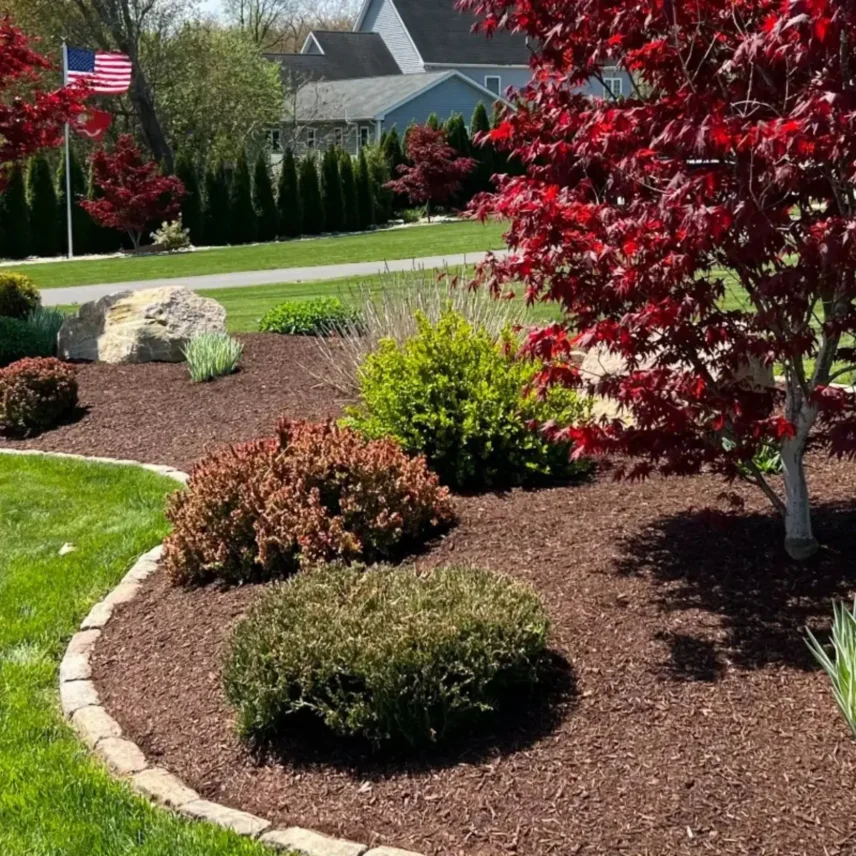
Mulch is one of the easiest curb appeal upgrades because it instantly makes beds look cleaner and more complete. It also helps suppress weeds and retain moisture, which can reduce maintenance. But mulch should be used carefully to avoid problems around trunks and stems.
- A proper mulch layer should cover the soil without piling up against the base of trees or shrubs.
- When mulch is too deep, it can trap moisture, promote rot, and create a breeding ground for pests. Keeping a clear gap around the base helps the plant breathe and reduces damage.
- Fresh mulch also helps unify the design. If the beds have several different soil colors or patchy weed growth, a fresh, even layer can make the whole yard appear more polished. It is a simple upgrade with strong visual impact.
5. Focus on Shape, Repetition, and Balance
Good landscaping is not just about plants. It is also about how the eye moves across the property.
- Repeating a few plant types can make a front yard feel calmer and more professional than using too many unrelated shapes and colors. Balance is what makes a landscape look designed instead of accidental.
- The plant scale should match the house. Large homes need stronger foundation plantings and taller layers to avoid looking bare. Smaller homes usually look better with lower-growing plantings that keep the front open and neat. If one side of the house feels heavier than the other, the landscape may need better symmetry or visual weight on the opposite side.
- A focal point can help too. A pair of matching shrubs near the entry, a specimen plant near a corner, or a clean bed line along the walkway can guide attention and improve flow. Small structural choices often create the biggest visual improvement.
6. Add Simple Hardscape and Lighting Touches
Curb appeal does not stop with plants.
- Edging, path cleanup, mailbox planting, porch borders, and lighting can all improve the front yard without major construction. These details help the yard feel finished and cared for.
- Walkway lighting is especially useful because it adds safety and visual warmth. Clean edging around beds also makes the lawn and landscaping look more defined.
- If the front walk or porch entrance is cluttered, opening that space can make the whole property feel larger.
- Hardscape improvements should stay simple if the goal is DIY. The best projects are the ones that make the yard easier to maintain while also improving appearance. Keep the design clear, not crowded.
7. Choose Maintenance-Friendly Improvements
A beautiful landscape is only valuable if it can be maintained. That means choosing plants and layouts that fit the time and effort you want to spend on upkeep.
- Fast-growing shrubs can create a lot of work if they need constant trimming.
- A strong curb appeal design is one that looks good across the seasons. Evergreen structure, spring color, summer fullness, and fall cleanup all matter.
- If possible, choose plants that provide interest without demanding constant attention. It also helps to build a simple seasonal routine. Edge beds, refresh mulch, trim shrubs, and remove weeds before they take over. Regular maintenance keeps the yard from sliding back into a neglected look.
When to Call a Professional
DIY landscaping is a great option for many front-yard projects, but not everything should be handled alone. Drainage problems, tree risk, large pruning work, grading, and major plant removal can create expensive issues if done incorrectly. If you are unsure, get in touch with a professional landscaping services firm in Birmingham, AL.
Greener Grounds Lawn & Tree works with Birmingham homeowners to evaluate existing landscapes and recommend practical improvements based on the property’s conditions. Our team can identify drainage concerns, safely prune or remove trees and overgrown shrubs, improve plant placement, and help create a landscape that is attractive, functional, and easier to maintain. Whether you need help correcting a problem area or completing a larger curb appeal project, professional expertise can make the results safer, healthier, and more lasting. Call our team now at – (205) 898-4449 to Book Your Free Estimate !!
Frequently Asked Questions About DIY Landscaping by the Homeowners in Birmingham AL
What is the easiest way to improve curb appeal fast?
Cleaning up beds, edging lines, and adding fresh mulch usually create the quickest visual improvement.
What plants work well in Birmingham landscaping?
Climate-adapted plants and native species tend to do best because they handle heat and humidity better.
Do I need professional help for every landscaping project?
No. Many small projects are great for DIY, but drainage, large trees, and major grading are better handled by professionals.
How often should I refresh mulch?
Usually once or twice a year, depending on weather, breakdown, and how the beds look.
Can landscaping improve home value?
Yes. A neat, balanced front yard often improves curb appeal and can make a property more attractive to buyers.
Summary Checklist: Curb Appeal & Landscape Maintenance
| Curb Appeal Task | Priority | Recommended Action |
| Overgrown shrubs | High | Prune or replace to open the front of the house |
| Weedy or messy beds | High | Clean, edge, and refresh mulch |
| Poor plant placement | High | Reposition or replace with better-suited species |
| Bare foundation beds | Medium | Add layered plantings for structure |
| Drainage issues | High | Correct runoff before planting new material |
| Lack of focal point | Medium | Add one or two repeated design features |
| High-maintenance plant choices | Medium | Swap for more climate-adapted options |
Final Advice
DIY landscaping delivers the best results when you begin with a clear plan and focus on simple, purposeful improvements. Start by cleaning up existing beds, defining edges, and selecting plants that are well suited to Birmingham’s heat, humidity, and seasonal rainfall. Use mulch to create a polished appearance while keeping it away from tree trunks and shrub stems, and aim for a balanced design with plants that are easy to maintain throughout the year. If your project involves drainage problems, grading, large trees, or extensive pruning, professional guidance can help prevent costly mistakes and protect the long-term health of your landscape. Greener
Reviewed by Licensed Arborist
This article has been reviewed by a qualified landscape and tree care professional to help ensure accurate information about DIY landscaping, plant selection, curb appeal improvements, and landscape best practices for homeowners in Birmingham, Alabama.