Key Takeaways
- Tree removal permit rules in the Birmingham metro area vary significantly by city, there’s no single Jefferson County ordinance.
- Birmingham’s Department of Planning, Engineering, and Permits oversees tree removal permitting within city limits.
- Homewood, Mountain Brook, Vestavia Hills, and Hoover each maintain their own separate tree ordinances with different rules.
- Permit requirements are commonly triggered by a tree’s diameter at breast height (DBH), measured 4.5 feet above the ground.
- Alabama’s regulations generally protect native tree species more than non-native or invasive ones.
- Fines for unpermitted removal of a protected tree can be significant, so it pays to check before cutting.
Removing a tree on your property might seem like a straightforward decision, especially if the tree is dead, diseased, or simply in the way of a renovation. However, in the Birmingham metropolitan area, tree removal is governed by a patchwork of local ordinances that vary from city to city. Failing to secure the proper permits before cutting down a protected tree can result in hefty fines, project delays, or even legal action.
Understanding the rules ahead of time not only protects you from penalties but also ensures your tree removal project proceeds smoothly and legally. Whether you’re in Birmingham proper, Homewood, Mountain Brook, Vestavia Hills, or Fairfield, knowing which regulations apply to your property is the first step toward a compliant and hassle-free tree removal.
There’s No Single Rule Across the Birmingham Metro
One of the most critical things to understand is that tree removal permitting in Jefferson County is governed city by city, not by a single county-wide ordinance. A homeowner in Mountain Brook can face significantly stricter requirements than a homeowner in Hoover just a few miles away, and a property in unincorporated Jefferson County may face no permit requirement at all. This municipal fragmentation means that the first step before removing any tree is confirming which municipality’s rules actually apply to your property. Even properties that appear to be in the same neighborhood can fall under different jurisdictions, each with its own set of regulations.
What Typically Triggers a Permit Requirement
While the specifics vary by city, several factors commonly determine whether a permit is required for tree removal:
- Diameter at Breast Height (DBH): Many cities set a size threshold, measured 4.5 feet above the ground, above which a permit is required.
- Tree Species: Native species generally receive more protection than non-native or invasive ones.
- Location: Trees in the public right-of-way or near public infrastructure are more likely to require a permit.
- Property Type: Rules can differ for residential, commercial, and municipal properties.
- Historic or Overlay Districts: Some neighborhoods carry additional tree protection requirements.
Understanding these triggers can help you determine whether your tree removal project requires a permit before you begin.
Birmingham Proper: Department of Planning, Engineering, and Permits
Within the City of Birmingham, the Department of Planning, Engineering, and Permits (PEP) oversees tree removal permitting. In 2023, the City adopted a strengthened tree protection ordinance, commonly referred to as Abbott’s Law, reflecting a broader push to preserve the city’s tree canopy.
In most cases, removing a tree on private residential property in Birmingham does not automatically require a permit. However, the rules differ for trees in public rights-of-way, protected or heritage trees, and properties within historic or overlay districts. For example, heritage trees often defined by species and size may require special approval before removal. Similarly, trees located within designated historic districts may be subject to additional review processes.
Before proceeding with any significant tree removal in Birmingham, it’s worth confirming with the PEP department whether your specific situation requires a permit.
Tree Ordinance: Homewood, Mountain Brook, Vestavia Hills, and Hoover
Each of these neighboring cities maintains its own separate tree ordinance, with different DBH thresholds and different rules around protected species. A tree that requires no permit in one city might require one just across the municipal line.
- Homewood: Known for its mature tree canopy, Homewood has strict ordinances protecting large native trees. Permit requirements are often triggered by DBH measurements and species type.
- Mountain Brook: This city places a high priority on tree preservation, with detailed regulations governing removals, especially for heritage and native species.
- Vestavia Hills: Vestavia Hills enforces tree protection rules that vary by zoning district, with additional requirements for properties in historic overlays.
- Hoover: While generally more lenient than some neighboring cities, Hoover still maintains ordinances that protect certain trees, particularly those in public rights-of-way or designated conservation areas.
Because these rules can change and are enforced differently, checking directly with your city’s planning or permitting department before removal is the safest way to confirm what applies to your specific property.
Native Tree Protections in Alabama
Alabama’s regulations place a notable emphasis on protecting native tree species, particularly larger, mature trees that may play a significant role in the local landscape. Species such as -oaks, hickories, and magnolias are often afforded greater protection due to their ecological and aesthetic value.
Invasive species, on the other hand, are typically much more straightforward to remove without a permit. Trees like privet, Chinese tallow, or Bradford pear are often exempt from protection ordinances, but confirming a tree’s species before cutting is a smart precaution. Misidentifying a protected native tree as an invasive species could still result in penalties.
Exceptions Worth Knowing About
Most municipalities make exceptions for trees that pose an immediate hazard, such as dead, dying, or storm-damaged trees that threaten a structure or public safety. Even in these situations, it’s worth documenting the hazard and, where possible, confirming with your city before removal, since requirements and how they’re enforced can change over time.
Emergency removals often require post-removal documentation or notification to the city, so keeping records such as photos of the hazard, arborist reports, or storm damage assessments can help protect you from potential fines.
How Greener Grounds Lawn & Tree Can Help
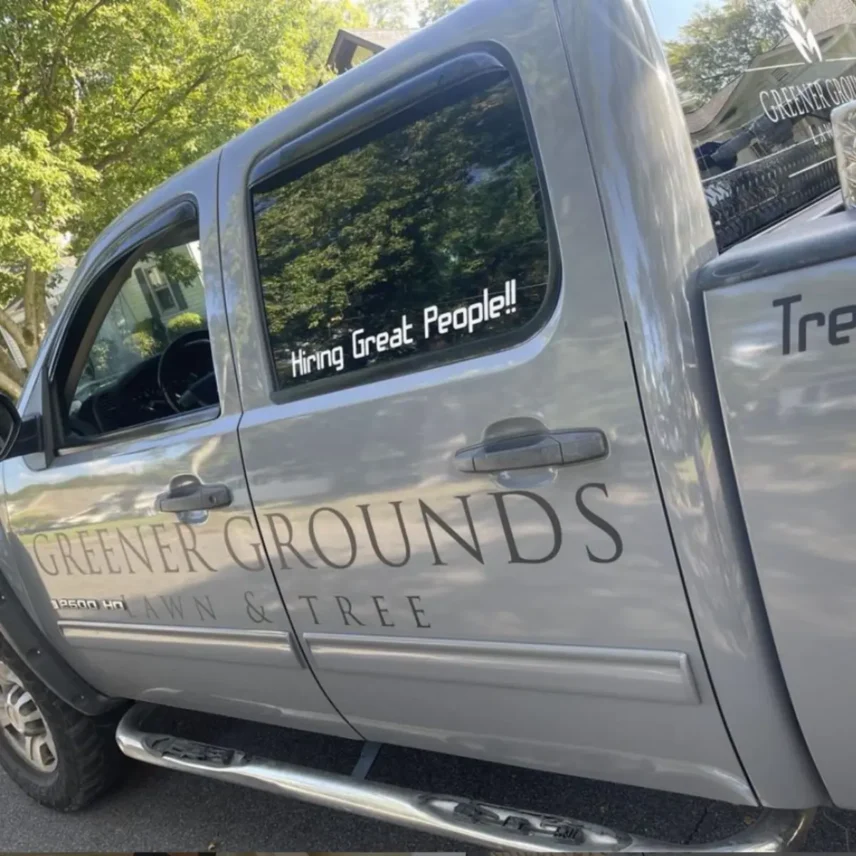
Greener Grounds Lawn & Tree is an experienced tree and lawn care business serving Birmingham and surrounding communities. Our team understands the local tree removal requirements across the metro area. We can help determine whether your project requires a permit based on your city, tree size, species, and location. Our crews follow local ordinances to ensure removals are safe and compliant.
Greener Grounds Lawn & Tree also offer 24/7 emergency tree removal for hazardous trees when special rules may apply. We can assist with arborist reports and hazard documentation for permits or emergency removals. With Greener Grounds Lawn & Tree, you can avoid costly mistakes and keep your tree removal project on track.
Frequently Asked Questions About Tree Removal Permits in Birmingham, Alabama
Do I need a permit to remove a tree on my property in Birmingham, AL?
It depends on the tree’s size, species, location, and which city your property is in. In most cases, removing a tree on private residential property within Birmingham city limits doesn’t automatically require a permit, but exceptions apply, so it’s worth confirming with the city’s planning department first.
Are the rules the same in Mountain Brook, Vestavia Hills, and Hoover as they are in Birmingham?
No. Each city maintains its own separate tree ordinance with different thresholds and requirements, so a tree that doesn’t need a permit in one city may need one in a neighboring city.
What is diameter at breast height (DBH) and why does it matter?
DBH is a tree’s diameter measured 4.5 feet above the ground. Many cities use this measurement to determine whether a tree crosses the size threshold that requires a permit before removal.
Can I remove a dead or hazardous tree without a permit?
Most municipalities allow for removal of trees that pose an immediate safety hazard without the standard permitting process, though it’s still worth documenting the hazard and checking local requirements when possible.
What happens if I remove a protected tree without a permit?
Fines for unpermitted removal of a protected tree can be significant. The exact penalty depends on the city and the specific tree, which is another reason to confirm requirements before cutting.
Do invasive or non-native trees require a permit to remove?
Generally no. Alabama’s tree protections are focused primarily on native species, and removal of invasive trees is typically more straightforward.
Can Greener Grounds help me figure out if I need a permit?
Yes, our team has experience working across the different Birmingham-area municipalities and can help you understand what applies to your specific property before work begins.
Summary Checklist: Before You Remove a Tree in Birmingham
| Factor | Why It Matters | What to Do |
| Which city you’re in | Each city has its own tree ordinance | Confirm your municipality’s specific rules |
| Tree size (DBH) | Common permit trigger | Measure or have an arborist measure the tree |
| Tree species | Native species more protected | Identify the species before removal |
| Tree location | Right-of-way and historic districts differ | Check for overlay or historic district rules |
| Hazard status | Emergency removals may be exempt | Document the hazard if removing urgently |
Final Advice
Before scheduling a tree removal anywhere in the Birmingham metro area, take a few minutes to confirm which city’s rules apply to your property. It is also important to confirm whether the tree requires a permit based on its size, species, location, or zoning status as regulations vary by county. You should never assume that the same requirements apply everywhere. If the tree is dead, diseased, or hazardous, document its condition with photos and check whether your city has specific rules for emergency removals. When you’re unsure, contact the appropriate local planning or permitting department before making the first cut.
Greener Grounds Lawn & Tree can also help you understand the requirements that may apply to your property and ensure the removal is handled safely and professionally. Taking the time to verify local regulations can help you avoid unnecessary fines, delays, and compliance issues while making the entire tree removal process smoother from start to finish.
Reviewed by a Licensed Arborist
This article has been reviewed by a licensed arborist to ensure accuracy with the information on tree removal permits, safety considerations, and local regulations is accurate and helpful.