Key Takeaways
- Birmingham’s red clay soil compacts easily due to its tiny, dense particles, choking grass roots, and limiting healthy growth.
- Annual aeration breaks up compacted clay, allowing air, water, and nutrients to reach roots deeply for stronger, healthier lawns.
- Aeration improves drainage in red clay, reducing puddling, flooding, and root drowning during Birmingham’s heavy rains.
- Deep root systems developed through aeration resist heat, drought, and disease better than shallow roots in un-aerated clay.
- Aeration enhances fertilizer efficiency, ensuring nutrients reach roots instead of sitting on the soil surface.
Birmingham, Alabama, is famous for its lush green landscapes, but beneath that beauty lies a challenging secret: red clay soil. This dense, compact-heavy soil type covers much of central Alabama and creates unique hurdles for homeowners trying to maintain a thick, healthy lawn. Without proper care, red clay suffocates grass roots, blocks water drainage, and prevents nutrients from reaching where they’re needed most. The solution? Lawn aeration.
What is Lawn Aeration?
Lawn aeration is the process of creating small holes in the soil to improve the flow of air, water, and nutrients to the grass roots. It helps reduce soil compaction, allowing roots to grow deeper and stronger. Aeration also improves drainage and encourages healthier microbial activity in the soil. This process enhances the lawn’s ability to absorb fertilizers and moisture more effectively. Regular aeration promotes thicker, greener grass and reduces problems like thatch buildup. It is especially beneficial for lawns with heavy foot traffic or compacted soil. Lawn aeration is an essential maintenance practice for maintaining a healthy, lush, and resilient lawn.
Aeration creates small holes in the soil, allowing air, water, and essential nutrients to penetrate deeply. For Birmingham homeowners with red clay, this isn’t just helpful, it’s essential. Below, we explore 6 critical reasons why annual aeration is non-negotiable for red clay lawns in Birmingham.
Why Birmingham’s Red Clay Soil Chokes Lawns
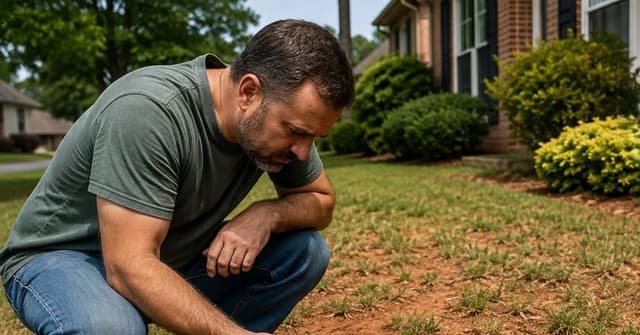
Red clay consists of tiny particles that pack tightly together. Over time, everyday activities like walking, playing, or even heavy rainfall cause the soil to compact further. When soil compacts, grass roots struggle to grow, leaving lawns thin, patchy, and weak.
Compacted red clay restricts root expansion, forcing roots to stay shallow. Shallow roots can’t access deep moisture or nutrients, making grass vulnerable to drought, heat stress, and disease. Birmingham’s hot summers and frequent rainstorms make this problem worse, accelerating compaction and weakening lawns faster than in other soil types.
Annual aeration breaks up this dense layer, creating space for roots to spread deeply and build a stronger foundation.
Tip 1: Red Clay Compacts Easily, Choking Your Lawn
Red clay soil compacts faster than sandy or loamy soils because its particles are so small and dense. Walking on the lawn, parking cars, or heavy rain can squeeze the soil tighter, leaving no room for roots to grow.
When soil becomes compacted:
- Grass roots stay shallow and weak
- Lawns turn thin, yellow, or patchy
- Water pools on the surface instead of soaking in
- Fertilizers sit on top instead of reaching roots
Aeration punches holes through the compacted layer, giving roots breathing room to expand. Deep roots mean thicker grass, better drought resistance, and a lawn that stays green longer. For Birmingham homeowners, annual aeration is critical because red clay compacts quickly and recovers slowly without help.
Tip 2: Improved Water Drainage Prevents Flooding and Pooling
Red clay’s tight structure blocks water movement. Instead of soaking in, rainwater pools on the surface, creating puddles that can flood yards, damage foundations, and kill grass by drowning roots. Birmingham’s heavy spring rains and summer thunderstorms make this problem worse. Without drainage, water sits for hours, turning lawns into muddy swamps.
Aeration creates channels that let water flow deeper into the soil. This reduces surface pooling, prevents flooding, and keeps roots from drowning. Better drainage also means less mud, safer yards, and reduced risk of water damage to your home.
Tip 3: Enhanced Nutrient Absorption Boosts Grass Health
Grass needs nitrogen, phosphorus, and potassium to grow strong and green. In compacted red clay, these nutrients often get trapped on the surface or in the top inch of soil, unable to reach roots. Even the best fertilizers won’t work if nutrients can’t penetrate the soil. Aeration opens pathways for fertilizers and natural nutrients to move deeper, ensuring grass gets the nourishment it needs.
With aeration:
- Fertilizers work better, saving you money
- Grass grows thicker and green longer
- Lawns resist disease and drought more effectively
- You get more value from every lawn care product
Tip 4: Stronger Root Systems Resist Heat, Drought, and Disease
Healthy lawns depend on deep, strong roots. In red clay, roots stay shallow because they can’t push through dense soil. Shallow roots make grass vulnerable to Birmingham’s hot summers, sudden droughts, and common lawn diseases.
Aeration allows roots to grow deeper, where soil stays cooler and moisturized. Deep roots:
- Access water during dry spells
- Stay cooler in summer heat
- Anchor grass firmly against wind and foot traffic
- Resist disease by accessing more nutrients
Over time, aerated lawns develop tougher, more resilient grass that stays green through Birmingham’s toughest weather.
Tip 5: Aeration Reduces Thatch and Improves Soil Quality
Thatch is a layer of dead grass, roots, and debris that builds up on the soil surface. While thin thatch is normal, thick thatch blocks water, air, and nutrients from reaching roots. Red clay lawns often develop thick thatch because compacted soil slows decomposition.
Core aeration removes small plugs of soil and thatch, breaking up this layer and mixing organic matter into the soil. This improves soil structure, speeds up decomposition, and creates a healthier environment for roots. Regular aeration keeps thatch under control and prevents it from becoming a major problem.
Tip 6: Aeration Prepares Lawns for Overseeding and Growth
If you want to fill in bare spots or grow thicker grass, overseeding is key. But seeds won’t take root in compacted red clay. Aeration creates the perfect seedbed by loosening soil and exposing fresh surface for seeds to contact.
Aerating before overseeding:
- Increases seed-to-soil contact
- Boosts germination rates
- Helps new grass establish faster
- Creates a thicker, more uniform lawn
For best results, aerate in spring or fall, then overseed immediately.
When to Aerate Birmingham Red Clay Lawns
The ideal time to aerate red clay in Birmingham is:
- Spring: After soil loosens from rain but before peak heat (March–April)
- Fall: When temperatures cool and grass grows actively (September–October)
Avoid aerating during extreme heat or drought, when grass is stressed.
Red clay demands annual aeration. Unlike sandy soil, which may only need aeration every 2–3 years, red clay compacts quickly and needs yearly treatment to stay healthy.
Why Choose Greener Grounds Lawn & Tree for Lawn Aeration in Birmingham
Greener Grounds Lawn & Tree is a locally owned Birmingham company specializing in professional lawn care and tree services. Our team understands Birmingham’s unique red clay soil, climate challenges, and grass types.
Greener Grounds Lawn & Tree offers lawn aeration, lawn mowing, leaf removal, mulch and pine straw installation, shrub pruning, tree removal, tree trimming & pruning, shrub removal & trimming, 24/7 Emergency services, lot clearing, and comprehensive lawn care solutions.
As a licensed, bonded, and fully insured company, Greener Grounds guarantees safe, professional work with transparent pricing, written estimates, complete cleanup, and responsive service. Our core aeration equipment penetrates red clay deeply, ensuring maximum benefit for your lawn.
Frequently Asked Questions About Lawn Aeration in Birmingham, AL
How do I know if my red clay lawn needs aeration in Birmingham, Alabama?
Signs include thin grass, water pooling on the surface, hard soil that’s difficult to push a screwdriver into, and poor fertilizer response.
Can I aerate my lawn myself?
DIY aerators often don’t penetrate red clay deeply enough. Professional core aeration delivers better results.
Will aeration hurt my lawn?
No. Aeration may leave small soil plugs on the surface, but they break down quickly and improve soil quality.
How long does it take for my lawn to recover after aeration?
Most lawns show improvement within 2–3 weeks, with full benefits visible after one growing season.
Should I overseed after aeration?
Yes. Overseeding right after aeration maximizes seed-to-soil contact and improves germination.
What grass types benefit most from aeration in Birmingham?
Fescue, Bermuda, and Zoysia all benefit from annual aeration in red clay.
Is aeration safe for young lawns?
Wait until grass is at least one year old before aerating to avoid damaging new roots.
How deep should aeration holes go?
Professional core aeration reaches 2–4 inches deep, ideal for breaking up red clay compaction.
Can I aerate during summer?
Avoid summer aeration during extreme heat. Spring and fall are best for Birmingham red clay.
What’s the cost of lawn aeration in Birmingham?
Rates vary by lawn size. Contact Greener Grounds for a free, upfront estimate.
Summary Checklist: Lawn Aeration for Birmingham Red Clay
| Situation | Action Required | Call a Pro? |
| Water pools on lawn | Aerate to improve drainage | Yes, for best results |
| Grass is thin/patchy | Aerate + overseed | Yes |
| Soil is hard to penetrate | Core aerate deeply | Yes |
| Fertilizer doesn’t work | Aerate before fertilizing | Yes |
| Thatch layer is thick | Aerate to remove thatch | Yes |
Final Advice
Birmingham’s red clay demands annual lawn aeration to stay healthy. Without it, compaction chokes roots, blocks water, and prevents nutrients from reaching grass. Annual aeration breaks up dense soil, improves drainage, boosts root growth, and makes fertilizers work better. For best results, aerate in spring or fall, overseed immediately, and pair with proper mulching and watering.