Birmingham, Alabama sits squarely in one of the most storm-battered corridors in the American South. Each spring and summer, the region faces a relentless parade of severe thunderstorms, damaging straight-line winds, and tornadoes that can reach EF3 intensity or higher. For homeowners surrounded by the towering hardwoods and pines that give Jefferson County its iconic canopy, that weather reality comes with a serious responsibility: knowing when a large tree needs to come down before nature makes that decision for you.
This guide walks through everything Birmingham homeowners need to know about large tree removal — the warning signs, the risks of waiting, what professional removal involves, and how to act before the peak of storm season arrives.
70%
of storm damage is tree-related
$35k
avg. tree-fall home repair cost
Mar–Oct
peak storm risk window in AL
Why Storm Season Is the Deadline, Not a Reminder
Alabama’s storm season doesn’t send a polite warning. The state averages more than 50 tornadoes per year and ranks among the top five states nationally for tornado-related fatalities. Beyond twisters, Birmingham regularly sees derecho-style wind events capable of snapping large tree trunks mid-shaft — the most dangerous kind of failure, because the root system stays in the ground while the top half becomes a projectile.
Trees that are diseased, structurally compromised, or simply too close to your home represent a ticking clock. Unlike a leaky roof or a cracked foundation — problems that degrade slowly — a tree failure is instantaneous. One 70-mph wind gust and a compromised oak becomes a catastrophic event. The window between “I’ve been meaning to deal with that tree” and a 911 call can be measured in seconds.
Important: Don’t Wait for Visible Damage
Many dangerous trees look perfectly healthy from the yard. Internal decay, root rot, and trunk cracks at the base can only be identified by a certified arborist inspection — not a drive-by glance. If you’re unsure, schedule a professional assessment well before storm season peaks.
Six Warning Signs Your Large Tree Needs to Come Down
Not every large tree is a hazard, but certain signs are hard-stop indicators that removal should happen before the next storm system rolls through Jefferson County:
- Significant lean toward structures. A tree leaning more than 15 degrees toward your house, garage, or power lines — especially if the lean has increased over time — is a structural red flag.
- Dead or hanging large limbs. Arborists call them “widow-makers” for a reason. Any dead branch with a diameter over four inches is a serious projectile risk in high winds.
- Fungal growth at the base. Mushrooms or bracket fungi sprouting from the trunk or surface roots indicate internal decay that is often far more extensive than what’s visible.
- Cracks or splits in the trunk. Deep vertical cracks, co-dominant stems with included bark, or horizontal splits near major branch unions all signal structural weakness.
- Hollowed or soft wood. If you can push a screwdriver more than two inches into the base of a trunk, the structural integrity is compromised regardless of what the crown looks like.
- Root damage or heaving soil. Construction, trenching, drought, or soil compaction can kill the support root system years before the tree shows above-ground symptoms.
The Hidden Cost of Delaying Large Tree Removal
The most common reason Birmingham homeowners put off large tree removal is cost. A professional removal for a large hardwood — say, a 60-foot white oak in a tight backyard — can run anywhere from $1,500 to $4,500 depending on access, diameter, and proximity to structures. That feels like a significant outlay, especially when the tree is still standing and technically alive.
The economics flip entirely the moment that tree comes down on its own. Average structural repairs after a tree impact on a residential home in Alabama range from $18,000 to $60,000 — before accounting for temporary housing, personal property loss, or injury liability.
Homeowners insurance does cover storm-related tree damage in many cases, but coverage is far from guaranteed. Most policies will cover damage the tree causes to covered structures, but removal of the tree itself — especially if it falls in the yard without hitting anything — is often not covered or capped at a low dollar amount. More critically, if your insurance company can demonstrate the tree was visibly diseased or dead before the storm, they may deny the claim on the basis of neglect. A documented arborist inspection and proactive removal is one of the strongest protections a homeowner can have.
What Professional Large Tree Removal in Birmingham Actually Involves
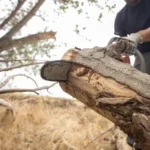
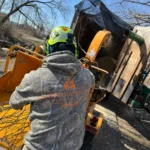
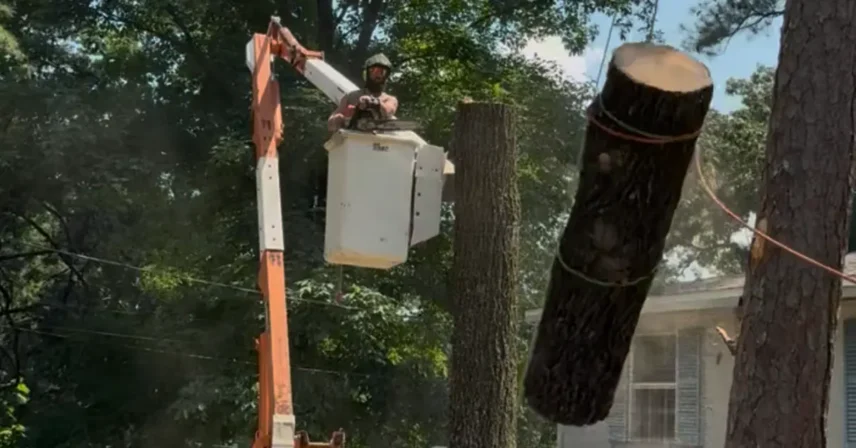
For genuinely large trees — anything over 40 feet, or trees of any size within striking distance of structures — professional removal is not optional. This is work that requires climbing gear, aerial lifts or cranes for constrained situations, rigging systems to control the fall of sectioned wood, and commercial-grade chipping and hauling equipment.
A qualified Birmingham tree service will begin with a site assessment to determine the optimal removal method. For trees close to homes, “straight felling” is almost never the approach — instead, the crew works in sections from the crown down, rigging each piece to lower it in a controlled manner. Root grinding to below grade is a separate but recommended add-on service that prevents trip hazards, eliminates future sprouting, and allows the area to be replanted or landscaped.
Permits are required in some Birmingham-area municipalities for removal of certain protected or heritage trees. Any reputable company will know local ordinances and handle the permitting process on your behalf. Be cautious of any contractor who dismisses the question of permits — it can indicate they’re not properly licensed or insured.
Why Choosing a Local Birmingham Tree Service Expert Matters
Choosing a local tree service provider in Birmingham means working with a team that understands the local climate and the specific challenges of our regional tree species. Whether it is the brittle wood of a fast-growing pine or the dense, heavy timber of an old oak, local experts know exactly how these trees behave. They are also familiar with local permitting requirements and neighborhood regulations, ensuring that the work is performed legally and ethically.
Preparation is the best defense against the unpredictable nature of Alabama weather. By walking your property today and identifying potential hazards, you are taking a vital step toward protecting your home. Do not wait for the first storm warning to act. Reach out to a professional team that offers free consultations and expert evaluations. They can help you prioritize which trees need immediate attention and which ones can be managed with routine maintenance. With the right help, you can enjoy the beauty of the Birmingham canopy with the peace of mind that your home and family are safe.
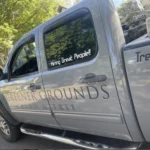
Greener Grounds Lawn & Tree is the premier choice for Birmingham residents seeking the best tree services with over 45 years of combined team experience. As a locally and family-owned and operated business, we pride ourselves on being the top arborists who are not certified but still the best in the industry. We offer 24/7 emergency service and specialized equipment to handle even the most hazardous tree removals with a 5-star rating and a money-back guarantee. Our team is fully licensed, , and insured, providing competitive pricing and a low price guarantee that ensures what we quote is what you pay.
Greener Grounds Lawn & Tree simplifies the process with insurance billing, free estimates, and a workmanship guarantee that protects your property. Take advantage of our 10% discount for new customers on services over $500 or $100 off for same-day hire. Whether you need storm repair or a free consultation, call us at (205) 898-4449 for professional service that is always on time and respectful of your home.
When to Schedule: The Pre-Storm Season Window
The ideal time to address high-risk trees in Birmingham is late winter through very early spring — January through early March. This window offers several advantages: crews are typically less backlogged than in summer, bare deciduous trees make structural assessment easier, frozen or firmer ground causes less equipment damage to lawns, and you’re well clear of the March-through-October severe weather window before the work is complete.
If you’ve already missed that window for this year, don’t wait until next January. A high-risk tree identified in May should come down in May — the alternative is gambling through an entire Alabama storm season. Reputable companies maintain capacity through the summer, and the risk of inaction compounds with every passing week of storm season.
Large tree removal is one of the highest-return home safety investments a Birmingham homeowner can make before storm season. The math is simple: a proactive removal costs a fraction of the structural repairs, insurance complications, and safety risks that follow when a compromised tree fails on its own terms. Don’t let a beautiful tree become your most expensive problem. Schedule an arborist assessment now, while the calendar — and your options — are still in your favor.